THE CAVEPEÑA ZAFRA DE ARRIBA

THE CAVE · PEÑA ZAFRA DE ARRIBA

The History of Cave Living

A tradition shaped by the landscape. Discover excavated architecture, its materials and its relationship with rural life.

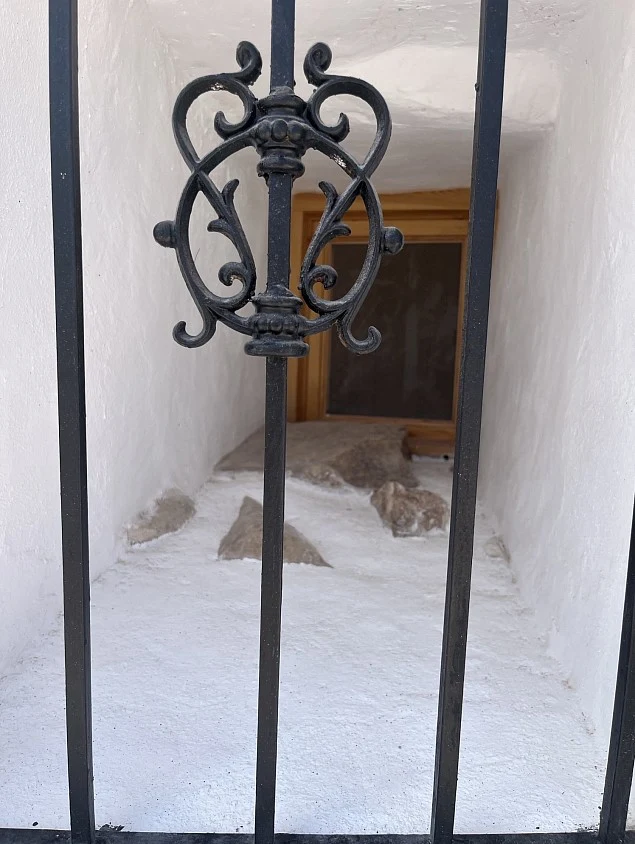
The actual entrance to The Cave

The wider history

Living with the landscape.

A shared tradition, many local stories. This journey explores excavated architecture in Spain and Murcia; it assigns no unverified date, former owners or undocumented history to Cueva Zafra.

01

There is no single beginning

Natural caves have accommodated human activities since prehistory. Excavated housing deliberately shapes suitable ground into living space. Cave houses are not all prehistoric and do not share a single origin.

View original source
02

A varied vernacular tradition

Across Spain, excavated homes respond to different geology and ways of life. They belong to a vernacular architecture shaped by rural work and locally available resources.

View original source
03

Building by removing material

Rather than building the entire enclosure above ground, rooms were cut into terrain suitable for stable excavation. The work required specialist knowledge of the ground and of the home’s upkeep. Apparently simple forms should not be mistaken for improvised construction.

View original source
04

Earth, lime and light

Excavated architecture also had to manage its relationship with the outside. Guadix’s cave quarters document vaulted ceilings, whitewashed surfaces, façade openings and chimneys. These are examples of local traditional techniques, not an automatic description of this particular house.

View original source
05

A Murcian tradition too

Murcia Natural identifies cave houses among Sierra de la Pila’s traditional building types. Elsewhere in the region, Puerto Lumbreras preserves a museum complex interpreting domestic life and the crafts associated with this form of dwelling.

View original source
06

Living heritage

Today cave houses can be homes, museums or visitor accommodation. Restoration and research seek to preserve their distinctive forms and relationship with the landscape while adapting them to present-day use.

View original source
07

Adaptation takes care

Ventilation, daylight, water drainage, moisture and ground stability need building-specific solutions. A cave house’s behaviour depends on geology, orientation, openings and maintenance; general advantages cannot replace assessment of the individual home.

View original source

ONE TRADITION, MANY CHAPTERS

Living with the landscape.

Prehistory

Natural shelters

Prehistoric use of natural caves is a cultural antecedent, not a construction date for today’s excavated homes.

View original source
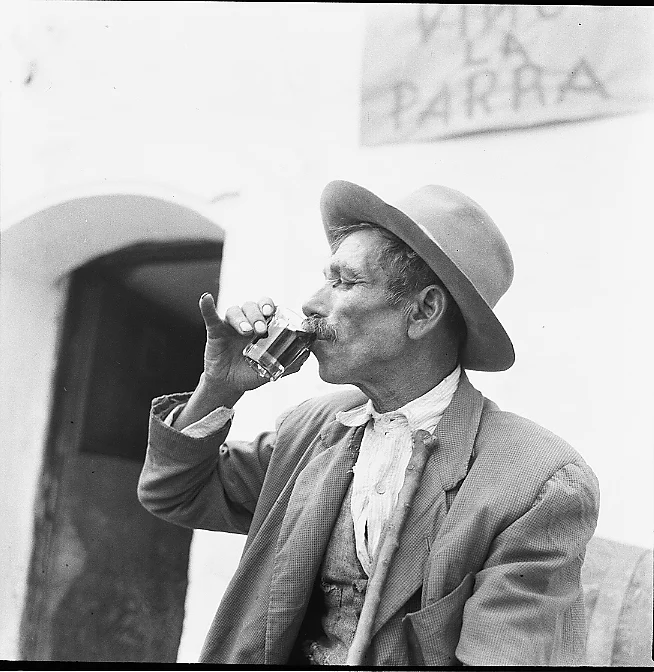
Guadix, Granada, 1957. Historical context for cave living; not The Cave and not a photograph of Murcia.
Guadix, Granada, 1957. Historical context for cave living; not The Cave and not a photograph of Murcia.Sources & credits

The story of this house

The Cave

No construction date or former owners have been documented for The Cave. This section explains the wider cave-house tradition, not an age attributed to this particular accommodation.

The accommodation’s age and individual history await documentation from its owners.

Discover the Cave House

ARCHITECTURE WITH PURPOSE

Why Stay in a Cave House?

Excavated architecture can make use of the ground’s qualities. Performance depends on each building: these are possibilities, not guaranteed temperatures or energy savings.

01

A steadier indoor temperature

The surrounding ground can store heat and soften or delay outdoor temperature changes. Some excavated homes therefore feel cooler in summer and less exposed to rapid winter fluctuations. Results vary: no particular indoor temperature is promised at Cueva Zafra.

View original source
02

Shelter in the mass

A heavy enclosure can reduce transmission of certain airborne sounds. Doors, windows, ducts and other transmission paths also matter. This is a general physical explanation, not an acoustic measurement or a promise of complete silence.

View original source
03

Living within the landscape

An excavated space offers a distinctive relationship between interior, hillside and outdoors. Staying within this architecture invites a closer look at the land and a different understanding of traditional housing.

View original source
04

Bioclimatic potential

Using the ground’s thermal mass may help moderate some heating and cooling needs. Actual consumption depends on occupants, equipment and the building. Without measurements, no energy saving or lower carbon footprint can be assigned to this house.

View original source
05

A pause at another pace

The experience makes room for reading, walking and enjoying the rural setting. It is an invitation to rest and step away from everyday routines, without claims of medical or therapeutic effects.

View original source
06

Keeping ways of living alive

Thoughtful recovery of traditional homes helps reveal techniques, spaces and customs within a region’s shared memory. Heritage is found not only in monuments, but also in ways of living.

View original source

THE CAVE · PEÑA ZAFRA

A cave house. A different pace of life.

Book Your Stay
The CavePeña Zafra de ArribaCheck Availability